Ellen Langer

About Ellen Langer
For over 40 years, Dr. Langer has studied Mindlessness/ Mindfulness in everyday situations where mindlessness is pervasive and very costly. Mindfulness (without meditation), on the other hand, has been shown to be literally and figuratively enlivening, and results in health, well-being, improved relationships, and Dr. Ellen Langer has been studying the mindlessness of ostensibly thoughtful action for over forty years, from everyday situations, to nursing homes, schools, and business, and has found that mindlessness is both pervasive and unnoticed. She has also proposed and tested an alternative cognitive process that she has shown to be relevant across multiple domains. She has termed this process “mindfulness,” but it should not be confused with meditation.
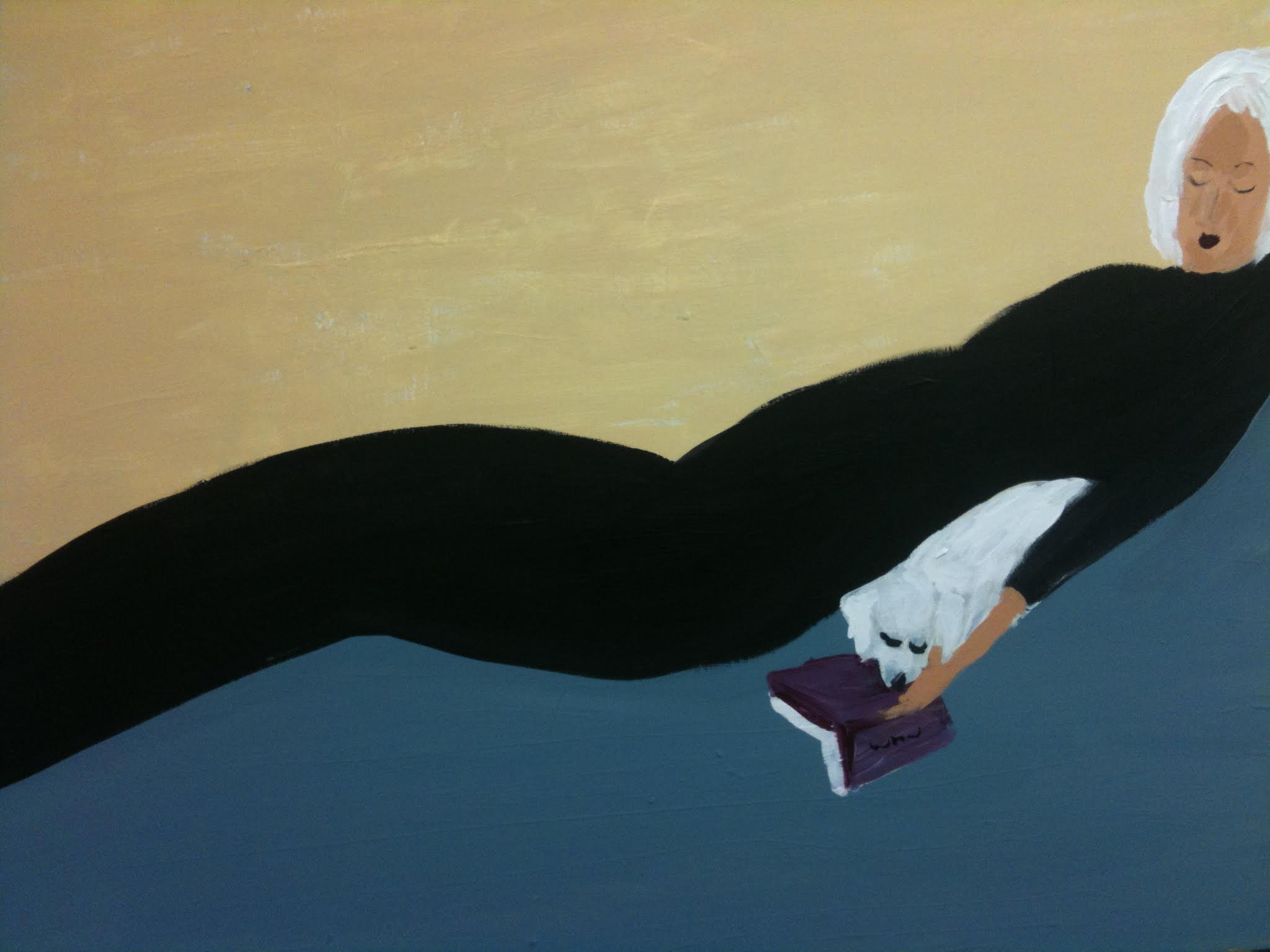
Biography
In over 200 research articles and 13 books, including her best-selling books on mindfulness, Dr Langer has written extensively on the illusion of control, aging, stress, decision-making, and health without meditation. She is also a gallery-exhibiting artist.
Research
The current research of the Langer lab continues to explore, extend, and refine mindfulness theory across multiple domains, including health, business, and education.
Arthritis, chronic pain, TBI, Parkinson’s, MS, to name a few of the disorders studied, have been shown to be helped by her Attention to Symptom Variability treatment. Other ongoing projects continue to pursue the study of mind/body unity with respect to eating, smoking, and alcohol use. In addition, work continues on innovation and learning.

Selected Books
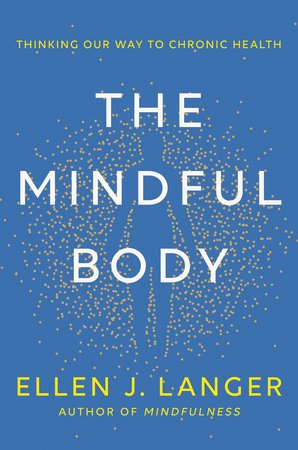
The Mindful Body returns the control over our bodies back to us and reveals that a true understanding of health begins with our minds. Once we understand mind/body unity better health is just a thought away
The Mindful Body: Thinking our way to chronic health
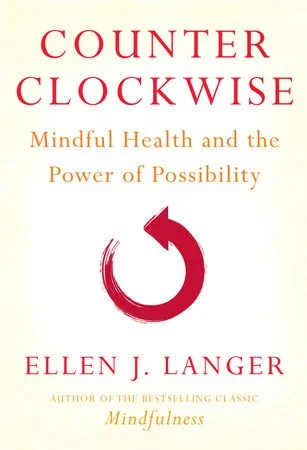

Opening our minds to what is possible, instead of presuming impossibility can lead to better health at any age.
Counterclockwise: Mindful health and the power of possibility
Pairs original paintings with one-liners culled from decades of research
The Art of Noticing
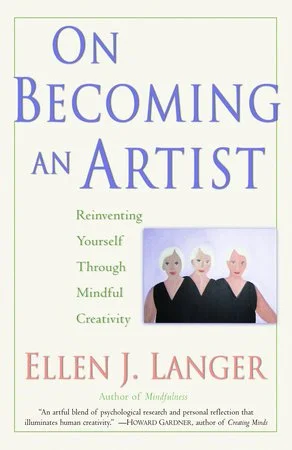
The reader is shown how mindful creativity is available to us all and when engaged results in personal success and greatly enhanced interpersonal mindfulness
On Becoming An Artist: Reinventing yourself through mindful creativity.

Here Langer introduces a unique concept of mindfulness that doesn’t require meditation and shows its application to a wide number of fields, including health, learning, business, social justice, and successful aging.
Mindfulness - 25th anniversary edition

Whether in business, sports, classrooms or at home, our learning is hobbled by antiquated and pervasive misconceptions. These incapacitating myths are exploded one by one.
The Power of Mindful Learning
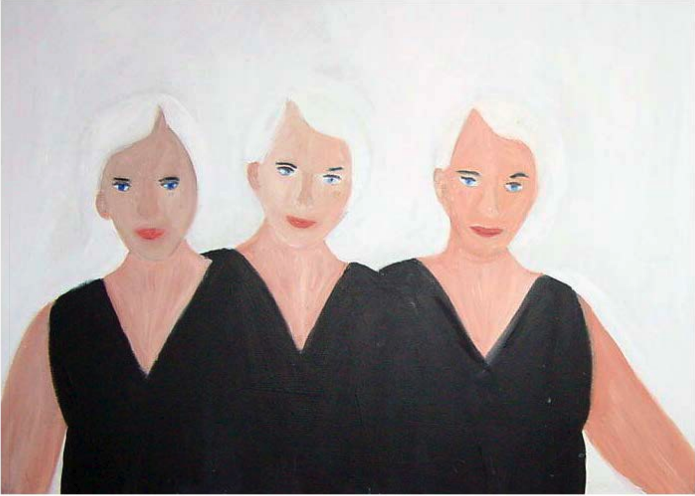
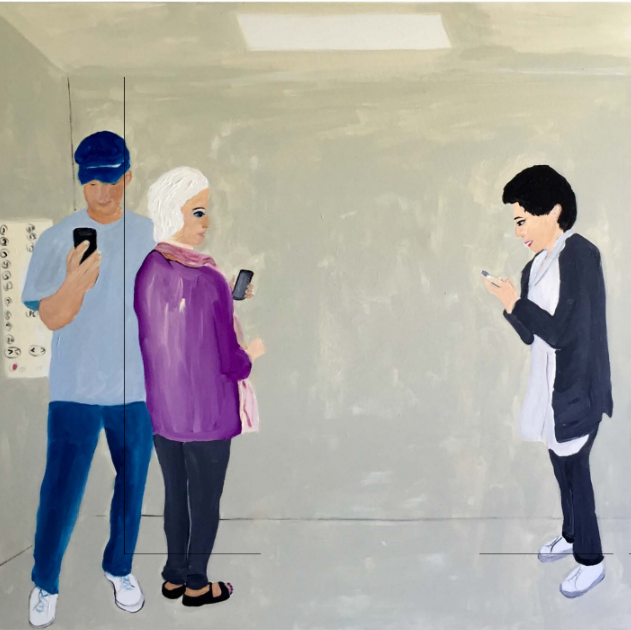
Painting
Dr. Langer is a gallery-exhibiting artist
Three Nancys, Acrylic on wood 24"x 28"

Same thing only different, Acrylic on canvas 6'x 6'

Conga line, Acrylic on canvas 30”x 40”
Contact
langer@wjh.harvard.edu
Office
Psychology Dept, Harvard University
33 Kirkland St, Cambridge, Ma 02138